Spray Foam Insulation, Explained Simply
Real answers on cost, R-value, open-cell vs. closed-cell, and how to choose the right installer — no jargon, no sales pitch. When you're ready, we'll connect you with a vetted local pro for a free quote.
R-6 to R-7
R-Value per inch (closed-cell)
$1.50-$5.50/sq ft
Typical install cost range
10+
Topic guides published
~24 hrs
Cure time before re-entry
Everything You Need to Know Before You Buy
Ten in-depth guides covering cost, chemistry, safety, and every application area — written to help you make a confident decision.

Air Sealing Changes the Math on Comfort and Energy Bills
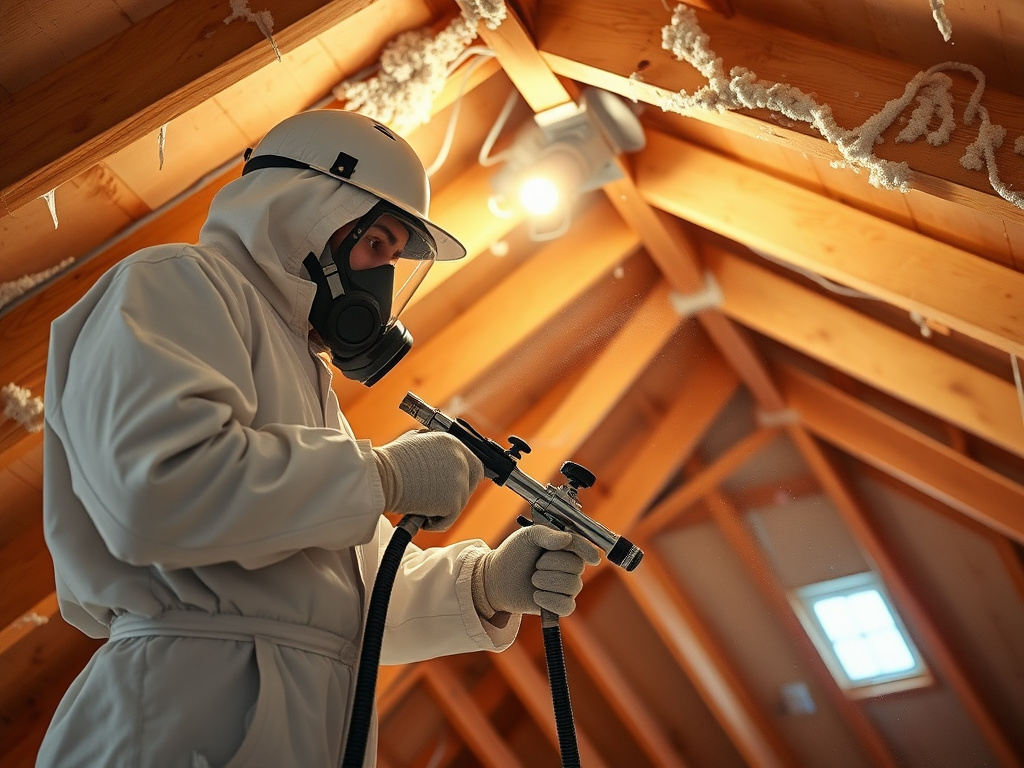
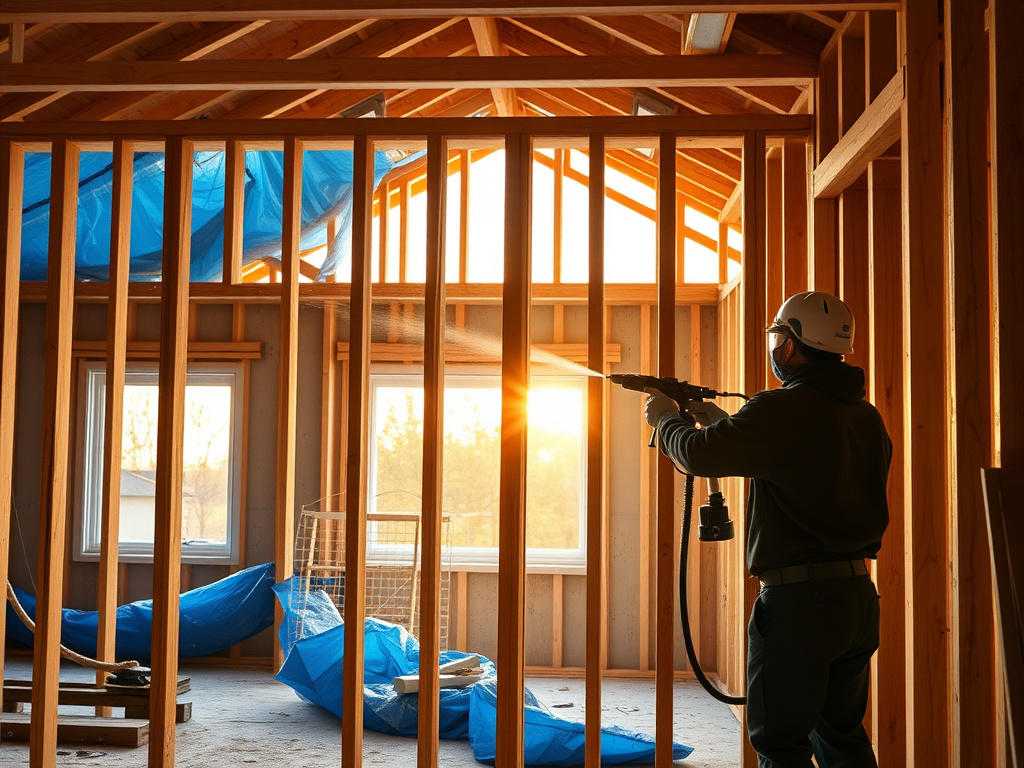
Traditional insulation slows heat transfer, but it doesn't stop air movement. Spray foam expands to fill gaps, cracks, and cavities — sealing the envelope of your home in a single step. That's why homeowners who switch often see a measurable drop in heating and cooling costs, along with fewer drafts, less outside noise, and better humidity control.
- Seals air leaks fiberglass and cellulose simply can't reach
- Adds rigidity and can strengthen roof decking and wall assemblies
- Higher R-value per inch means thinner cavities can perform better
- Often reduces monthly energy costs enough to offset the extra upfront cost
Ready to see what spray foam costs for your project?
Tell us about your space and get connected with a vetted local installer for a free, no-obligation quote.
Latest Articles
Common Questions
Is spray foam insulation worth the extra cost?
For most homeowners, yes — spray foam typically pays for itself over time through lower heating and cooling bills, and it does things fiberglass and cellulose can't, like sealing air leaks and adding structural rigidity. Whether it's worth it for your specific project depends on your climate, the area being insulated, and your budget.
How do I know if I need open-cell or closed-cell foam?
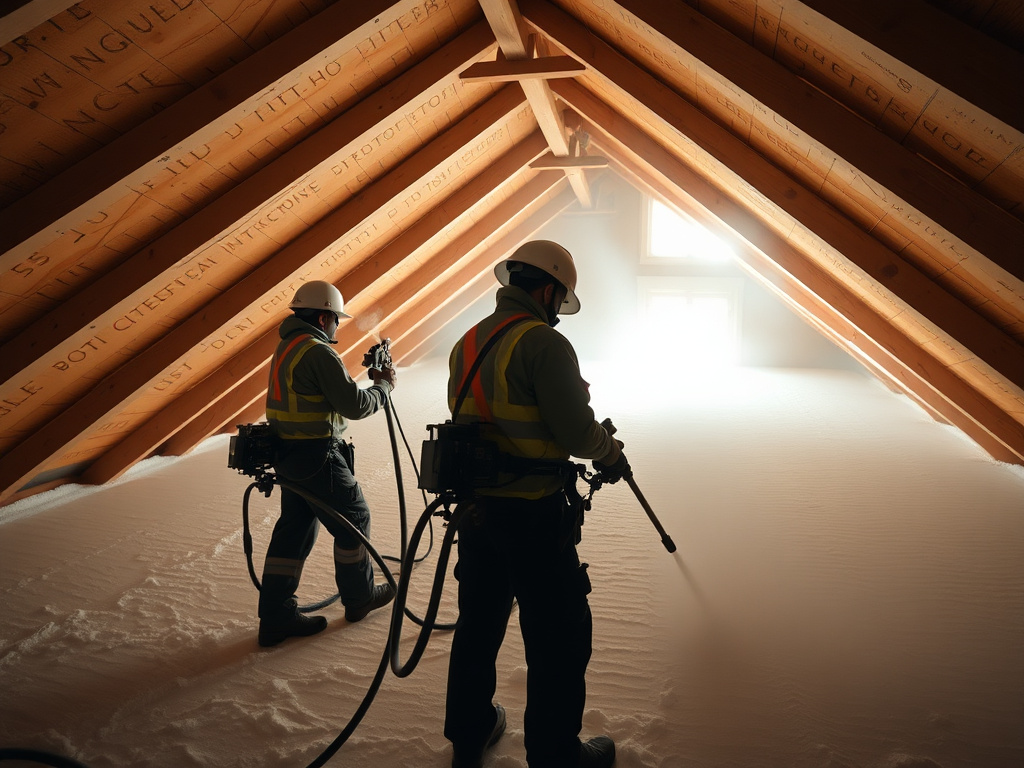
It depends on the application. Closed-cell is denser, has a higher R-value per inch, and adds moisture resistance — better for crawlspaces, rim joists, and tight cavities. Open-cell is lighter, less expensive, and better for sound dampening in large open cavities like attics. Read our full comparison guide for details.
Does Spray Foam 101 install insulation?
No — we're an education resource. When you request a quote, we connect you with vetted local spray foam contractors in our network who handle the actual installation.
Talk to a Real Spray Foam Pro — No Pressure, Just Answers
Call 844-967-5247 or request a free quote online and we'll match you with a vetted installer in your area.