Spray Foam 101 Guide
Spray Foam Safety and Off-Gassing
What actually happens chemically while spray foam cures, how long to stay out of the space, and what a properly installed job should look and smell like afterward.
What Off-Gassing Actually Is
When the two spray foam components combine and react, the chemical reaction releases compounds into the air as the foam expands and begins to cure. This temporary release of compounds during the active curing process is what people mean by off-gassing. It is strongest in the minutes and hours right after application and tapers off steadily as the chemical reaction completes and the foam fully cures.
Off-gassing is a normal, expected part of how two-component spray foam works, not a sign that something has gone wrong. The key safety question is not whether off-gassing happens, but whether the space is given the correct amount of time and ventilation to let the reaction finish and the compounds clear before people re-occupy it.
The intensity and duration of off-gassing depend on several factors working together, including the specific foam formulation used, the ambient temperature and humidity on the day of application, how thick the application is, and how well the space is ventilated during and immediately after spraying. This is part of why manufacturer guidance for re-entry time is given as a range or a specific number tied to a particular product, rather than a single universal rule that applies to every spray foam job.
Typical Re-Entry Times
Manufacturer guidance varies by specific product, but a commonly cited re-entry window for occupants, including pets, is around 24 hours after application, sometimes with an interim shorter window for brief re-entry without extended exposure. Always follow the specific re-entry time listed by the contractor and the foam manufacturer technical data sheet for the product actually used on the job, since cure speed and off-gas profile differ between formulations.
Installers wearing proper personal protective equipment can safely work in the space during application and shortly after, since their PPE is specifically designed to protect against direct exposure during the active spraying and initial cure period. That is a different exposure situation than an unprotected occupant re-entering the home, which is why occupant re-entry windows are longer than the time installers spend in PPE on site.
Why Professional PPE Matters During Application
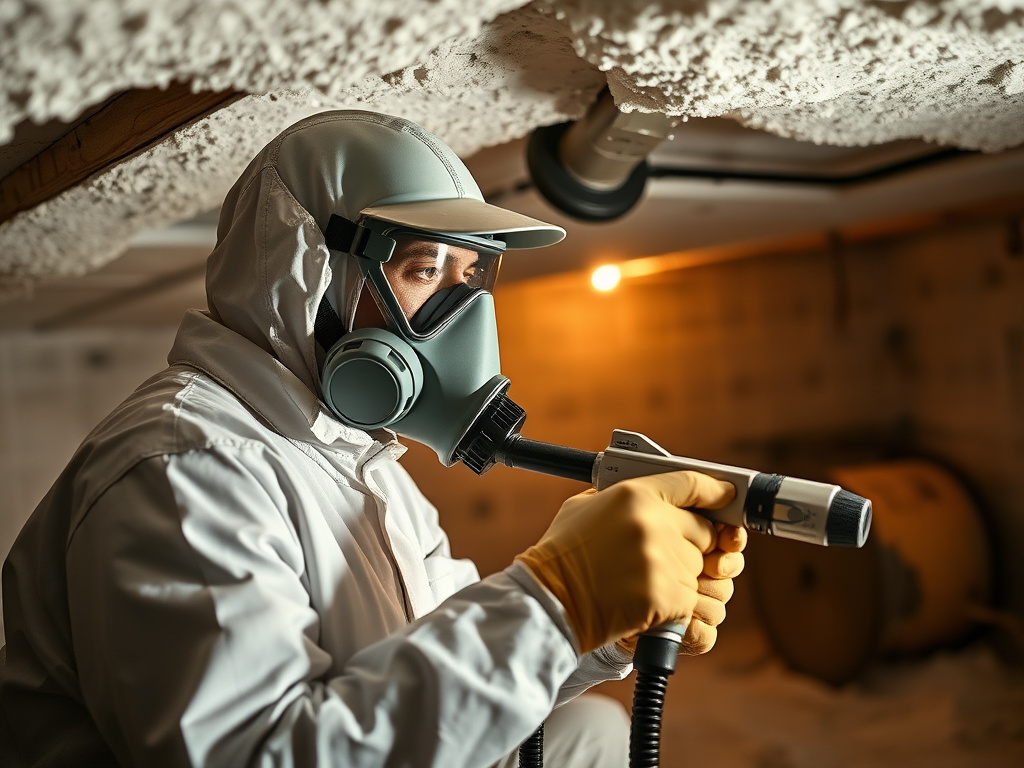
Isocyanates, one of the two core chemical components, are respiratory sensitizers, meaning direct, unprotected exposure can irritate the eyes, skin, and respiratory system, and repeated unprotected exposure over time can increase sensitivity in some individuals. This is why trained installers wear supplied-air or cartridge respirators rated for isocyanates, along with coveralls, gloves, and eye protection, every time they spray.
This is also one of the strongest reasons whole-house spray foam installation is treated as a professional trade rather than a do-it-yourself project. Proper respiratory protection, correct equipment calibration, and knowing how to ventilate and time re-entry correctly are all things a trained crew handles as a matter of routine, using equipment and training that most homeowners do not have on hand.
Reputable spray foam contractors also follow manufacturer safety data sheets for the specific products they use, which spell out the required PPE, handling precautions, and first-aid guidance for that formulation. Asking a prospective contractor whether their crew is trained on the safety data sheet for the specific foam they plan to use is a reasonable question for any homeowner to ask before hiring.
Ventilation Best Practices During and After Installation
During application, installers typically ventilate the work area, using fans and open access points where possible to move fresh air through the space and help direct off-gassing compounds outside rather than letting them accumulate. HVAC systems serving the treated area are commonly shut down and isolated during application so the system does not pull curing compounds into ductwork and circulate them to other parts of the house.
After application, continued ventilation for the duration of the manufacturer recommended re-entry period helps the space clear fully before occupants return. Once the recommended re-entry time has passed and the foam has fully cured, normal ventilation and HVAC operation can resume as usual.
Cured Foam Safety Profile
Once spray foam completes its chemical reaction and fully cures, typically within 24 hours under normal conditions, it becomes an inert, stable solid. Fully cured foam does not continue to off-gas the reactive compounds present during application, and it does not require any special ongoing precautions for occupants living in a home with correctly installed, fully cured spray foam.
This is an important distinction: the safety considerations discussed on this page apply specifically to the active application and curing window, not to the long-term presence of cured foam in a home. Millions of homes across the country have spray foam insulation in attics, walls, and crawlspaces with no ongoing off-gassing concern once the material has properly cured.
Signs of a Problem Installation
A correctly mixed and cured spray foam job should have a mild, fading smell within the expected re-entry window and no lingering strong chemical odor days or weeks later. A persistent, strong odor well beyond the expected cure time is one of the clearest signs that something went wrong during application, most often an improper mix ratio between the two components, which can leave the foam under-cured and continuing to release compounds longer than it should.
Other signs of a problem installation include foam that stays noticeably tacky or soft long after it should have cured, foam that looks discolored or shrunken from what was sprayed, or a job where the installer skipped proper ventilation and re-entry guidance altogether. If any of these signs show up, contact the installing contractor promptly. A reputable company will investigate and correct improperly cured foam.
Who Should Avoid Being in the Home During Application
As a precaution, it is common guidance that pregnant individuals, infants, young children, elderly occupants, and anyone with asthma or heightened respiratory sensitivity stay out of the home entirely during application and through the full recommended re-entry period, rather than just the immediate work area. This is a conservative, sensible precaution given that off-gassing compounds can be present throughout a home during and shortly after a spray foam job, not just in the room being sprayed.
Pets should also be kept off-site or fully removed from the work area and adjoining rooms during application and until the re-entry window has passed, since animals cannot report irritation or discomfort the way a person can.
How This Compares to Other Insulation Materials
Every insulation material carries its own installation-phase safety considerations. Fiberglass batts and blown-in fiberglass can release fine glass fibers into the air during handling, which can irritate skin, eyes, and airways, and installers commonly wear gloves, eye protection, and dust masks when working with it. Cellulose insulation is generally treated with fire retardant chemicals and can create significant dust during blowing, warranting a dust mask and eye protection during installation.
Spray foam distinguishing safety consideration is that its exposure risk is concentrated specifically in the active application and cure window, driven by the chemical reaction itself, rather than ongoing fiber or dust exposure during handling. Once cured, spray foam does not shed fibers or dust the way fiberglass and cellulose can over time, but it does require stricter control, proper PPE, and re-entry timing during the installation phase itself. Choosing a contractor who follows manufacturer guidance closely on ratios, ventilation, and re-entry time is the single biggest factor in a safe outcome.
Frequently Asked Questions
A commonly cited occupant re-entry window is around 24 hours, but the exact time depends on the specific foam product used. Always follow the re-entry guidance given by your contractor and the manufacturer technical data sheet for that job.
A mild, fading smell during the expected cure window is normal. A strong, persistent chemical odor well beyond the expected re-entry time is not normal and often points to an improper mix ratio or an under-cured installation that should be reviewed by the contractor.
Yes. Fully cured spray foam is an inert, stable solid that does not continue to off-gas the reactive compounds present during application. The safety precautions on this page apply to the active application and curing period, not to long-term occupancy of a home with properly cured foam.
As a precaution, common guidance is that pregnant individuals, infants, and anyone with respiratory sensitivity stay out of the home during application and through the full recommended re-entry period, not just the room being sprayed.
DIY kits exist for small jobs, but whole-house application involves precise mixing ratios, proper respiratory protection, and correct ventilation and re-entry timing that professional crews are trained and equipped to manage. See our DIY versus professional installation page for a full breakdown.
More Guides
What Is Spray Foam Insulation
A plain-English breakdown of spray foam insulation: the two-part chemistry, how it expands and cures, and how it differs from batts, cellulose, and foam board.
Read the guideDIY vs Professional Installation
What DIY spray foam kits can realistically handle, where they fall short of professional equipment, and how to decide which route fits your project.
Read the guideChoosing a Spray Foam Contractor
What to check before hiring — certification, quality control, warranty terms, and the red flags that separate a solid contractor from a risky one.
Read the guideReady to see what spray foam costs for your project?
Tell us about your space and get connected with a vetted local installer for a free, no-obligation quote.